
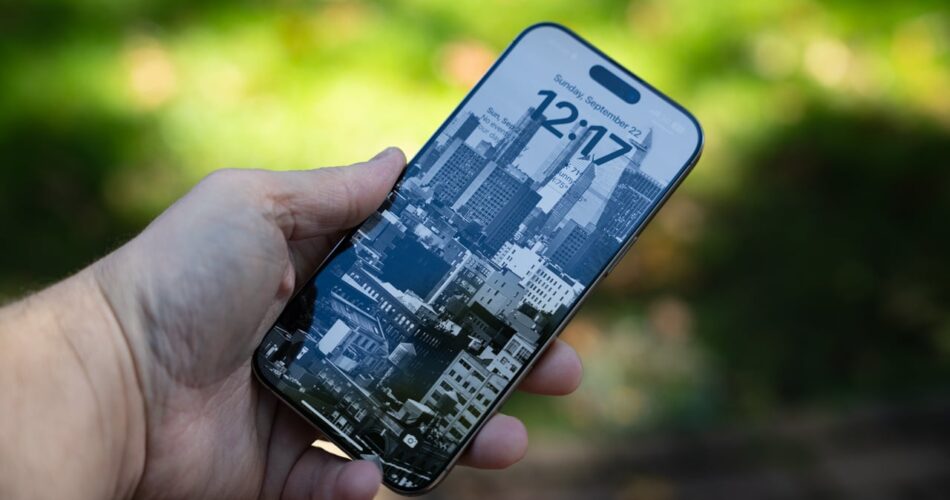
The Apple iPhone 16 Pro Max continues to set the standard for premium smartphones. Built with aerospace-grade titanium, powered by the A18 Pro chip, and equipped with a refined computational camera system, this device delivers flagship performance that remains highly relevant in 2026. Whether you are evaluating an upgrade, comparing it to Android alternatives, or researching long-term software support, this guide covers everything you need to know about the iPhone 16 Pro Max.
Design and Display Engineering
Apple refined the iPhone 16 Pro Max chassis with a slightly larger 6.9-inch Super Retina XDR display, thinner uniform bezels, and improved ergonomic weight distribution. The aerospace-grade titanium frame reduces overall weight while increasing drop resistance. Ceramic Shield front glass and IP68 water and dust resistance ensure durability in everyday use. The device introduces a dedicated Camera Control button alongside the customizable Action Button, providing tactile access to shooting modes and shortcuts without navigating menus.
A18 Pro Chipset and System Performance
At the core of the iPhone 16 Pro Max is the A18 Pro processor, manufactured on an advanced second-generation 3-nanometer architecture. The chipset features a 6-core CPU, a 6-core GPU with hardware-accelerated ray tracing, and a 16-core Neural Engine optimized for on-device machine learning. Thermal management has been significantly upgraded with a larger vapor chamber and graphite layers, reducing throttling during intensive tasks like 4K video rendering, console-level gaming, and AI workloads. Combined with 8GB of LPDDR5X RAM, the device handles multitasking and future iOS updates with ease.
Camera System and Computational Photography
The triple-camera array remains a standout feature. The 48-megapixel Fusion main sensor utilizes a quad-pixel design for superior low-light performance and faster autofocus. The 48-megapixel ultrawide lens captures high-resolution macro and landscape shots with reduced distortion. The 5x tetraprism telephoto lens maintains optical clarity up to 25x digital zoom, making it ideal for portrait photography and distant subjects. Apple’s Camera Control button enables instant access to zoom, exposure, depth control, and video recording modes. Video capabilities include 4K at 120fps, Dolby Vision HDR, and Spatial Video capture for Apple Vision Pro compatibility. Computational photography features like Smart HDR 5, Photographic Styles, and Night Mode portraits deliver consistent results across lighting conditions.
Battery Life, Charging, and Power Management
Battery optimization on the iPhone 16 Pro Max focuses on sustained all-day usage. The device features a high-capacity cell paired with an efficiency-tuned A18 Pro chip and iOS power management protocols. Users can expect 24 to 30 hours of mixed usage depending on display brightness, cellular connectivity, and app utilization. Charging options include USB-C Power Delivery for wired fast charging, MagSafe wireless charging up to 25W with optimized magnetic alignment, and Qi2 compatibility. Apple’s Optimized Battery Charging and Clean Energy Charging settings help extend long-term battery health beyond typical smartphone lifecycles.
iOS 18, Apple Intelligence, and Software Longevity
The iPhone 16 Pro Max ships with iOS 18 and full support for Apple Intelligence features. On-device AI processing enables advanced writing tools, image generation, context-aware Siri responses, and intelligent photo search while maintaining strict privacy standards. Lock screen customization, control center modularization, and app icon tinting provide deeper personalization without compromising system stability. Apple historically supports Pro Max devices with major iOS updates for five to six years, meaning this model will receive security patches and feature upgrades well into 2030.
iPhone 16 Pro Max vs iPhone 15 Pro Max
The generational upgrade focuses on efficiency, thermals, and AI readiness. The display grows from 6.7 to 6.9 inches with marginally improved peak brightness. The A18 Pro chip delivers a measurable uplift in GPU performance and neural processing speeds. The new Camera Control button adds hardware-level shooting flexibility absent in the 15 Pro Max. Thermal redesigns reduce sustained load throttling, and battery efficiency improves by approximately 10 to 15 percent in real-world testing. Users upgrading from the 14 Pro Max or older will notice substantial gains in display size, charging speed, and camera versatility. Those on the 15 Pro Max will benefit primarily from AI features, thermal improvements, and the dedicated camera hardware button.
Pricing, Storage Tiers, and Value Considerations
The iPhone 16 Pro Max launches with the following storage configurations and starting prices:
- 256GB: $1,199
- 512GB: $1,399
- 1TB: $1,599 Carrier promotions, trade-in programs, and certified refurbished options frequently reduce upfront costs. The device retains higher resale value compared to standard models and non-Pro Android flagships due to sustained software support, premium build quality, and strong secondary market demand.
Should You Buy the iPhone 16 Pro Max in 2026?
The iPhone 16 Pro Max remains a compelling choice for professionals, content creators, and users prioritizing camera versatility, performance longevity, and ecosystem integration. Its hardware architecture is optimized for upcoming AI features, extended software support cycles, and consistent thermal performance under heavy workloads. If your current device shows battery degradation, lacks USB-C connectivity, or struggles with modern computational photography, upgrading to the iPhone 16 Pro Max delivers measurable improvements. Users seeking maximum value can explore certified pre-owned units or carrier trade-in incentives to offset initial pricing.
Final Verdict
The Apple iPhone 16 Pro Max balances cutting-edge silicon, refined industrial design, and industry-leading camera engineering. With robust software support, efficient power management, and forward-looking AI capabilities, it remains a top-tier smartphone investment well beyond its launch year. Evaluate your storage needs, leverage available trade-in programs, and pair the device with quality protection accessories to maximize its lifespan.