
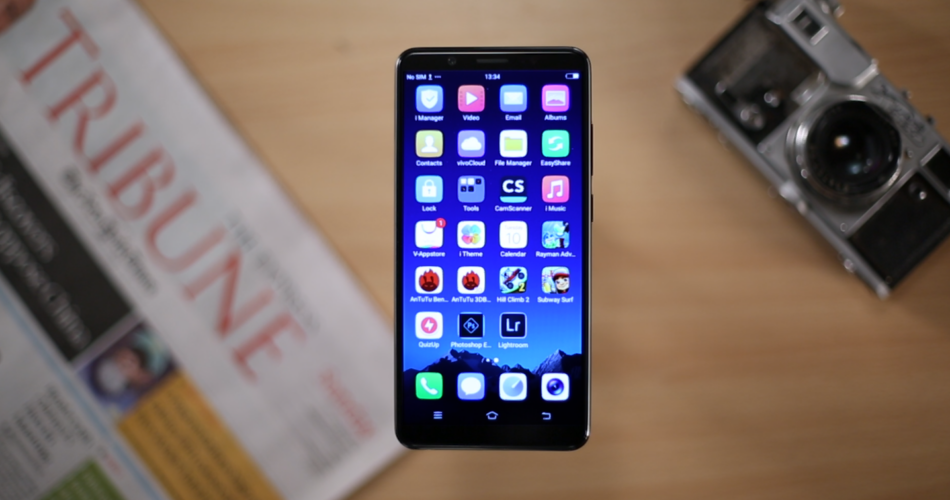
The Vivo V7 Plus launched in 2017 as a mid-range smartphone engineered for selfie enthusiasts and everyday users. Nearly a decade later, it continues to attract budget-conscious buyers, students, and secondary phone shoppers. This comprehensive guide breaks down the Vivo V7 Plus specifications, camera capabilities, performance metrics, and real-world usability to help you decide if this device still meets your needs in 2026.
Key Specifications at a Glance
Understanding the core hardware is essential before evaluating any smartphone. The Vivo V7 Plus features a balanced configuration for its era:
- Display: 5.99-inch Full HD+ IPS LCD (1440 x 2880 pixels)
- Processor: Qualcomm Snapdragon 450 (14nm, Octa-core 1.8 GHz Cortex-A53)
- GPU: Adreno 506
- RAM: 4GB LPDDR3
- Internal Storage: 32GB or 64GB, expandable via microSD up to 256GB
- Rear Camera: 24 MP, f/2.0, PDAF
- Front Camera: 24 MP, f/2.0 with LED flash
- Battery: 3000 mAh, non-removable
- Connectivity: 4G LTE, Wi-Fi 802.11 b/g/n, Bluetooth 4.2, microUSB 2.0
- Security: Rear-mounted fingerprint scanner
- Operating System: Android 7.1.1 Nougat, upgradeable to Android 8.1 Oreo
Camera Performance: The 24MP Selfie Focus
When Vivo released the V7 Plus, its primary selling point was the dual 24-megapixel camera setup. The front-facing sensor captures sharp, detailed selfies with accurate skin tones and reliable low-light performance for its class. The rear 24 MP camera handles daylight photography well, producing vibrant colors and acceptable dynamic range. While modern computational photography has surpassed its capabilities, the V7 Plus still delivers reliable results for casual photography, social media content, and video calls. The dedicated selfie flash and face beauty modes remain functional and user-friendly.
Processor, RAM, and Real-World Performance
Powered by the Qualcomm Snapdragon 450 chipset and paired with 4GB of RAM, the Vivo V7 Plus handles everyday tasks with ease. Web browsing, messaging, video streaming, and light social media apps run smoothly without noticeable lag. Heavy gaming and intensive multitasking will push the hardware to its limits, but for communication, navigation, and media consumption, the device remains responsive. The Adreno 506 GPU provides stable frame rates in casual games, making it a practical choice for users who prioritize reliability over high-end performance.
Battery Life and Charging Capabilities
The 3000 mAh battery delivers all-day endurance for moderate usage. Light users can expect one to two days on a single charge, while heavy multimedia consumption may require midday top-ups. The device supports standard 10W charging via microUSB, which takes approximately two hours for a full charge. While fast charging has become industry standard, the V7 Plus battery efficiency remains competitive for budget and secondary phone use. Battery health can be preserved by enabling power-saving modes and optimizing background app restrictions.
Software, Updates, and Security
Originally shipping with Android 7.1.1 Nougat, the Vivo V7 Plus received an official update to Android 8.1 Oreo. This brought improved battery management, notification channels, and enhanced security patches. While it no longer receives major OS updates, the device remains functional for essential apps, banking, and communication platforms that support Android 8.0 and above. Users should regularly clear cache, uninstall unused applications, and keep security definitions updated to maintain optimal performance and data protection.
Design, Display, and Build Quality
The 5.99-inch Full HD+ display offers crisp text rendering and vibrant colors, suitable for reading, watching videos, and browsing. The 18:9 aspect ratio maximizes screen real estate while maintaining a comfortable one-handed grip. The plastic back panel reduces weight and improves drop resistance, though it lacks premium materials. The rear fingerprint sensor is accurately placed for quick unlocks, and the overall build quality reflects Vivo commitment to durable, affordable design.
Pros and Cons of the Vivo V7 Plus
Advantages:
- Reliable 24MP front and rear cameras
- Smooth performance for everyday tasks
- Expandable storage up to 256GB
- Lightweight and ergonomic design
- Affordable pricing in the refurbished and used market
Limitations:
- No longer receives major software updates
- MicroUSB port instead of USB-C
- Lacks fast charging and modern connectivity standards
- Not suitable for high-end gaming or heavy multitasking
Should You Buy the Vivo V7 Plus in 2026?
The Vivo V7 Plus remains a viable option for students, first-time smartphone users, or anyone seeking a dependable secondary device. Its 24MP selfie camera, stable performance, and long-lasting battery make it ideal for communication, navigation, and light entertainment. Buyers should consider purchasing from certified refurbishers to ensure battery health and software stability. If you require 5G connectivity, advanced photography features, or flagship performance, newer mid-range models will better suit your needs. However, for budget-conscious shoppers who value simplicity and reliability, the Vivo V7 Plus continues to deliver consistent value.
Final Thoughts
Technology evolves rapidly, but well-built smartphones often retain practical utility long after their release. The Vivo V7 Plus stands as a testament to thoughtful mid-range engineering, balancing camera quality, everyday performance, and affordability. Whether you are upgrading from a feature phone, need a reliable backup device, or simply appreciate legacy hardware, this smartphone deserves consideration in 2026. Evaluate your usage patterns, verify device condition, and make an informed decision based on your personal technology requirements.