
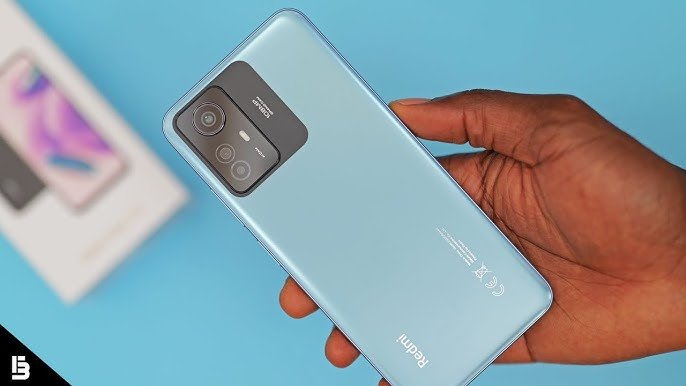
The Redmi Note 12S launched as a value-packed mid-ranger, but with newer generations hitting the market, many buyers wonder if it still holds up in 2026. Packed with a 108MP main camera, 5000mAh battery, and MediaTek’s reliable Helio G96 chipset, this Xiaomi device remains a compelling choice for budget-conscious users. In this detailed Redmi Note 12S review, we break down its real-world performance, camera quality, battery endurance, and whether it deserves a spot in your pocket today.
Key Specifications at a Glance
| Feature | Specification |
|---|---|
| Display | 6.43-inch AMOLED, 60Hz, 1000 nits peak brightness |
| Processor | MediaTek Helio G96 (12nm) |
| RAM/Storage | 6GB/8GB LPDDR4X |
| Rear Cameras | 108MP (f/1.75) + 8MP ultrawide + 2MP macro |
| Front Camera | 16MP (f/2.45) |
| Battery & Charging | 5000mAh with 33W wired fast charging |
| Software | MIUI 14 (Android 13), upgradeable |
| Extras | Side fingerprint, 3.5mm jack, IP53, stereo speakers |
Design & Display
Xiaomi kept the chassis familiar but refined. The Redmi Note 12S features a flat edge-to-edge AMOLED panel with slim bezels and a centered punch-hole camera. While the 60Hz refresh rate feels dated compared to modern 120Hz displays, the 1000-nit peak brightness ensures excellent outdoor visibility. The IP53 rating adds basic splash resistance, making it durable enough for daily commutes and light outdoor use.
Performance & Everyday Use
Powered by the MediaTek Helio G96, the Redmi Note 12S delivers solid performance for everyday tasks, social media, streaming, and light gaming. The 12nm architecture isn’t cutting-edge, but it’s highly optimized for battery efficiency. Pair it with 8GB RAM and you’ll experience smooth multitasking and quick app switching. Heavy gamers might notice frame drops in demanding 3D titles, but casual play remains comfortable and thermally stable.
Camera System: 108MP on a Budget
The headline feature is undoubtedly the 108MP primary sensor. In good lighting, it captures sharp, detailed images with accurate color reproduction and excellent dynamic range. The pixel-binning technology (combining 9 pixels into 1) shines in low-light scenarios, reducing noise without sacrificing clarity.
The 8MP ultrawide is decent for landscapes and group shots, while the 2MP macro lens is largely a spec-sheet filler. Video tops out at 1080p/30fps perfect for social media vlogs and casual recording, but not ideal for cinematic work.
Battery Life & Charging
Xiaomi’s 5000mAh battery is a standout. Combined with the power-efficient Helio G96 and optimized MIUI background management, you’ll easily get a full day of heavy use or two days of moderate usage. The included 33W charger hits 0–100% in roughly 55 minutes. While not the fastest charging standard available in 2026, it’s more than adequate for a phone at this price tier.
Software & Long-Term Support
Shipping with MIUI 14 over Android 13, the Redmi Note 12S offers a clean, feature-rich interface with useful customization options. Xiaomi typically provides two major OS updates and three years of security patches for the Note series. By 2026, it likely sits on its final supported build, so buyers should weigh long-term software needs against immediate budget constraints. Regular security updates should still roll out for basic protection.
Pros & Cons
Pros:
- Excellent 108MP main camera for daylight photography
- All-day 5000mAh battery with reliable 33W charging
- AMOLED display with strong peak brightness
- Practical extras: 3.5mm jack, microSD slot, IP53 rating
- Smooth everyday performance for the price
Cons:
- 60Hz refresh rate feels slow by 2026 standards
- Helio G96 struggles with heavy gaming & intensive multitasking
- Limited video recording capabilities (1080p max)
- Approaching end of major software update cycle
Final Verdict: Should You Buy the Redmi Note 12S in 2026?
The Redmi Note 12S remains a highly capable budget smartphone for users who prioritize camera quality, battery life, and essential features over cutting-edge specs. If you’re hunting for a reliable secondary device, a student phone, or a gift under $200–$250, it still delivers exceptional value.
However, if you demand 120Hz displays, flagship-level performance, or long-term software support, newer Redmi Note models or competing mid-rangers might be better investments. For its core audience, the Redmi Note 12S continues to punch well above its weight class.