
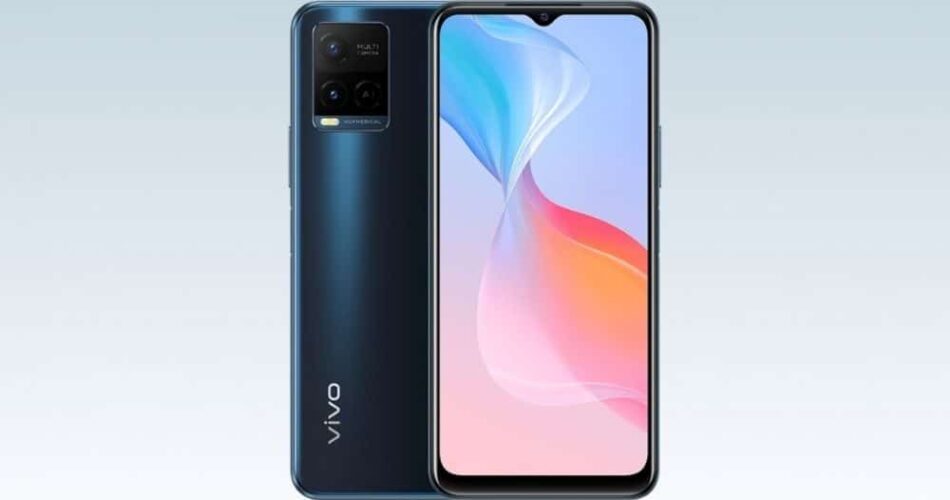
The Vivo Y21G has established a strong presence in the entry-level smartphone market. Engineered for users who prioritize endurance, dependable daily performance, and an accessible price point, this device continues to hold practical value even as newer models emerge. In this comprehensive overview, we break down the Vivo Y21G specifications, real-world usability, camera capabilities, and overall value to help you determine if it aligns with your mobile needs.
Design and Display Quality
The Vivo Y21G features a 6.51-inch IPS LCD panel with a 720 x 1600 pixel resolution. While it operates at a standard 60Hz refresh rate, the screen delivers consistent brightness and accurate color reproduction for video streaming, reading, and navigation. The rear chassis utilizes a textured finish that minimizes fingerprint smudges and improves grip during extended use. Weighing approximately 180 grams, the phone maintains a comfortable profile for one-handed operation. Security is handled by a responsive side-mounted fingerprint scanner, complemented by reliable facial unlock functionality.
Performance and Software Experience
At the core of the Vivo Y21G sits the MediaTek Helio G80 chipset, manufactured on a 12nm architecture. Paired with 4GB of RAM and storage options up to 128GB, the device manages everyday tasks efficiently. Social media browsing, messaging, video playback, and light multitasking run smoothly without noticeable stuttering. The phone ships with Funtouch OS layered over Android 11, offering a clean interface, customizable themes, and practical productivity tools. For casual mobile gaming, titles run comfortably at medium settings. Users expecting flagship-tier performance should note that this chipset is optimized for efficiency rather than raw processing power, which is standard for the budget category.
Camera System and Photography
The rear imaging setup combines a 13-megapixel primary sensor with a 2-megapixel macro lens. In daylight conditions, photos exhibit solid detail, natural color science, and acceptable dynamic range. The macro module allows close-up shots of small objects, though it requires steady hands and good lighting to produce sharp results. Low-light photography reflects typical budget limitations, with increased digital noise and slower processing times. The 8-megapixel front camera handles selfies and video conferencing effectively, supported by AI-driven portrait enhancements and screen flash assistance. For casual documentation and social sharing, the camera system performs reliably.
Battery Life and Charging Speed
A 5000mAh battery stands out as the defining strength of the Vivo Y21G. Under moderate daily usage, the device comfortably lasts a full day, while lighter users can extend runtime close to two days. The combination of an energy-efficient Helio G80 processor and a 720p display significantly reduces power drain during standby and video playback. Charging is managed via an 18W fast charger, which restores the battery from empty to full in roughly two hours. This balance of longevity and practical charging speed makes the phone highly suitable for commuters, students, and backup device users.
Pros and Cons
Pros:
- Exceptional 5000mAh battery endurance
- Smooth everyday performance with Helio G80
- Secure side-mounted fingerprint sensor
- MicroSD slot for affordable storage expansion
- Competitive pricing in the budget segment
Cons:
- 60Hz display limits animation smoothness
- Average low-light camera output
- Android 11 base lacks newer OS security updates
- 18W charging falls behind modern budget standards
Conclusion
The Vivo Y21G remains a practical, no-compromise smartphone for users who value reliability over premium specifications. It excels in battery longevity, consistent daily performance, and ergonomic design while maintaining an affordable price bracket. If your priorities include extended screen time, dependable connectivity, and straightforward functionality, the Vivo Y21G delivers consistent value. For buyers willing to overlook a standard refresh rate and entry-level camera tech, this device proves that well-optimized budget smartphones can still meet core expectations effectively.