
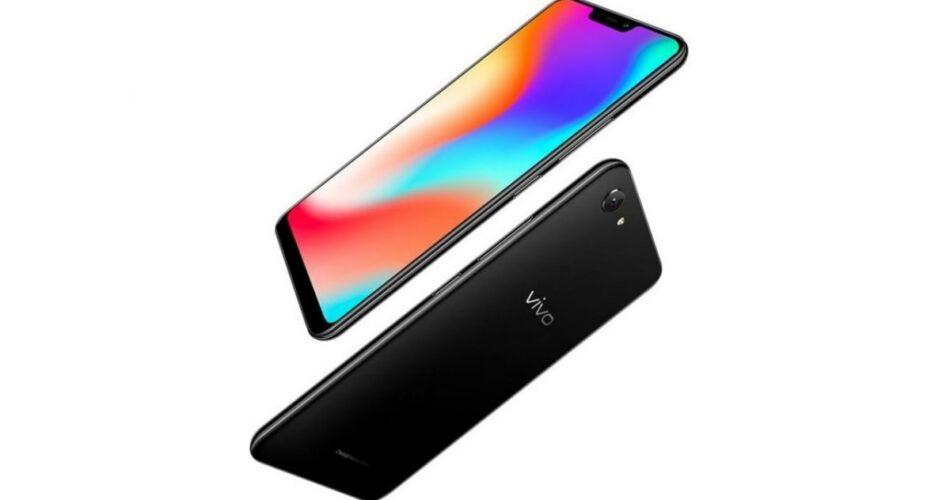
The Vivo Y83 remains a recognizable name in the budget smartphone segment. Originally launched in May 2018, this device was positioned to deliver essential smartphone features at an accessible price point. Even years after its release, the Vivo Y83 continues to attract attention in the refurbished and secondary markets. This review covers its design, hardware, camera system, battery performance, and real-world usability to help you decide if it still meets modern expectations.
Design and Display
The Vivo Y83 features a 6.22-inch IPS LCD display with a 720 x 1520 pixel resolution and an 19:9 aspect ratio. The notch-style front design was standard for its release window and provides a respectable screen-to-body ratio for media consumption and basic navigation. Build quality relies on a plastic chassis with a matte finish, keeping the device lightweight and resistant to minor scratches. The rear-mounted fingerprint sensor is easily reachable, while face unlock provides an alternative biometric option.
Available in black and gold color variants, the Vivo Y83 maintains a straightforward, ergonomic profile that fits comfortably in one hand. The dedicated microSD card slot supports expansion up to 256GB, a practical feature for users who store photos, videos, and apps locally.
Performance and Hardware
Under the hood, the Vivo Y83 is powered by the MediaTek Helio P22 chipset, built on a 12nm manufacturing process. Paired with either 3GB or 4GB of RAM and 32GB or 64GB of internal storage, the device handles everyday tasks such as messaging, browsing, social media, and light productivity without major interruptions.
Casual gaming and HD video streaming run smoothly on low to medium settings. The PowerVR GE8320 GPU provides adequate graphical rendering for 2018-era mobile titles, though it struggles with modern, graphics-intensive games. Multitasking is stable within the RAM limits, and app loading times remain acceptable for a budget-tier processor.
Camera Capabilities
The rear camera setup consists of a single 13-megapixel sensor with an f/2.2 aperture and phase detection autofocus. It captures decent daylight photos with accurate color reproduction and acceptable detail for social sharing. Low-light performance is limited, as expected for this class, with visible noise and slower shutter speeds in dim environments.
The front-facing 8-megapixel camera includes beauty mode filters and HDR support, making it suitable for selfies and video calls. Video recording caps at 1080p at 30fps on both cameras, with electronic stabilization helping to reduce minor shake during handheld recording.
Battery Life and Charging
The Vivo Y83 houses a 3260 mAh battery, optimized for moderate daily usage. With the HD+ display and power-efficient Helio P22 chip, the device typically delivers a full day of use under standard conditions. Light users may stretch it to a day and a half with careful screen-time management.
Charging is handled via a standard 10W micro-USB port. Full charges take approximately two hours, which is slower by modern standards but remains functional for overnight charging routines. The absence of fast charging is a notable trade-off, though the overall battery endurance compensates for casual users.
Software and User Experience
Out of the box, the Vivo Y83 shipped with Android 8.1 Oreo and Vivo’s Funtouch OS 4.0. The interface includes gesture navigation, app cloning, smart panel shortcuts, and customizable themes. While official major Android updates have ended, the software remains stable for core functions.
Security patches were provided during the active support cycle, but users should exercise caution with third-party app installations and avoid storing sensitive financial data without additional security layers. The system runs smoothly for communication, navigation, entertainment, and light work applications.
Pros and Cons
Pros
- Affordable pricing in the secondary market
- Reliable battery life for moderate usage
- Expandable storage up to 256GB
- Clean, functional software experience
- Dedicated microSD and 3.5mm headphone jack
Cons
- No official Android version updates beyond 2019
- Limited low-light camera performance
- Slow 10W charging via micro-USB
- Struggles with modern high-end gaming
- HD+ resolution limits media sharpness
Should You Buy the Vivo Y83 in 2026?
The Vivo Y83 is best suited for users seeking a reliable secondary device, a starter phone for younger users, or a budget-friendly option for basic communication and media consumption. It is not recommended for power users, mobile photographers, or those requiring current security patches and modern app compatibility.
If you are considering a purchase, verify the battery health, check for screen burn-in or physical damage, and confirm that the device supports your regional 4G LTE bands. For primary daily use, newer entry-level smartphones will offer better cameras, faster charging, and active software support.
Conclusion
The Vivo Y83 delivered solid value at launch and continues to serve well in specific use cases. Its balanced display, adequate performance, and dependable battery make it a practical choice for light smartphone users. While it shows its age in processing power and software support, the Vivo Y83 remains a functional, cost-effective option when purchased with realistic expectations.