
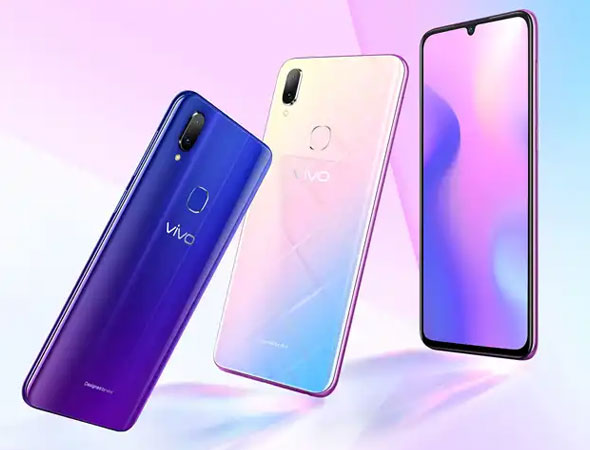
The Vivo Z3 made a significant impact in the mid-range smartphone market upon its release. Combining premium design elements with capable hardware at an accessible price point, it quickly gained attention from budget-conscious buyers. This comprehensive Vivo Z3 review covers its specifications, camera capabilities, battery performance, and overall value to help you determine if it fits your needs.
Design and Display Quality
The Vivo Z3 features a 6.3-inch IPS LCD panel with a 1080 x 2280 pixel resolution and a 19:9 aspect ratio. The display delivers vibrant colors, decent brightness for indoor use, and a reliable viewing experience for media consumption and daily navigation.
A defining characteristic of the Vivo Z3 design is its waterdrop notch, which maximizes screen real estate while housing the front camera. The rear panel showcases a gradient finish that mimics higher-end glass aesthetics, though it uses a polished polycarbonate build to keep weight and cost manageable. The device feels lightweight, measures approximately 155.9 x 75.6 x 8.1 mm, and fits comfortably in one hand.
Processor, RAM, and Software Performance
At its core, the Vivo Z3 is powered by the Qualcomm Snapdragon 710 chipset, an 10nm processor known for balancing efficiency and performance. This octa-core CPU pairs with an Adreno 616 GPU, delivering smooth multitasking and respectable gaming capabilities for its generation.
Storage configurations typically include 4GB or 6GB of LPDDR4X RAM alongside 64GB or 128GB of internal storage, expandable via a dedicated microSD slot. The phone launched with Android 8.1 Oreo running FunTouch OS, with official updates reaching Android 10 in select regions. While not the newest software ecosystem today, the optimization ensures responsive navigation, reliable app switching, and stable daily performance.
Camera System and Photography
The Vivo Z3 camera setup includes a dual rear configuration:
- 12MP primary sensor with f/1.8 aperture
- 2MP depth sensor for portrait effects
In daylight, the main lens captures sharp images with accurate color reproduction and decent dynamic range. The AI scene detection assists with automatic adjustments for landscapes, food, and low-light scenarios. Night photography reveals some noise reduction limitations, which is expected for this segment, but the phone still produces usable shots with adequate lighting.
The 12MP front camera features AI beautification and face unlock functionality. Selfies are generally well-exposed with soft background blur when using portrait mode. Video recording caps at 1080p at 30fps, offering stable output for casual vlogging and social media sharing.
Battery Life and Fast Charging
Powering the device is a 3315 mAh non-removable battery. Combined with the efficient Snapdragon 710 chipset, the Vivo Z3 easily delivers a full day of moderate usage. Users can expect approximately 6 to 7 hours of screen-on time with mixed activities including browsing, streaming, messaging, and light gaming.
Charging is handled by Vivo Dual-Engine Fast Charging technology, supporting up to 18W output. This allows the battery to reach full capacity in roughly 1 hour and 45 minutes, minimizing downtime for users who need quick top-ups throughout the day.
Key Specifications at a Glance
- Display: 6.3-inch IPS LCD, 1080 x 2280 pixels
- Processor: Qualcomm Snapdragon 710
- RAM/Storage: 4GB/6GB RAM, 64GB/128GB storage, microSD support
- Rear Camera: 12MP + 2MP dual setup
- Front Camera: 12MP
- Battery: 3315 mAh with 18W fast charging
- Security: In-display fingerprint sensor, face unlock
- OS: Android 8.1 (upgradable to Android 10)
- Dimensions: 155.9 x 75.6 x 8.1 mm
Vivo Z3 Pros and Cons
Pros:
- Competitive mid-range processor with smooth everyday performance
- In-display fingerprint sensor offers modern security at an affordable price
- Reliable 1080p display with minimal bezels
- Fast charging support reduces downtime
- Lightweight gradient design with premium aesthetics
Cons:
- Limited to 1080p video recording
- Software updates have concluded in most regions
- Polycarbonate build lacks the durability of glass or metal
- Low-light camera performance shows noticeable noise
Is the Vivo Z3 Still Relevant in 2026?
As a 2018 release, the Vivo Z3 no longer competes with current flagship or modern mid-range smartphones. However, for users seeking an affordable secondary device, a reliable entry-level phone for basic tasks, or a budget-friendly option in emerging markets, the Vivo Z3 still holds practical value. Its Snapdragon 710 processor handles everyday apps efficiently, the battery remains dependable, and the in-display fingerprint sensor provides a feature set that outpaces many entry-level alternatives.
If your priorities include modern camera advancements, long-term software support, or high-refresh-rate displays, newer Vivo models or contemporary competitors will better suit your needs. For those focusing on core functionality, cost efficiency, and proven hardware reliability, the Vivo Z3 remains a sensible, budget-conscious choice.