
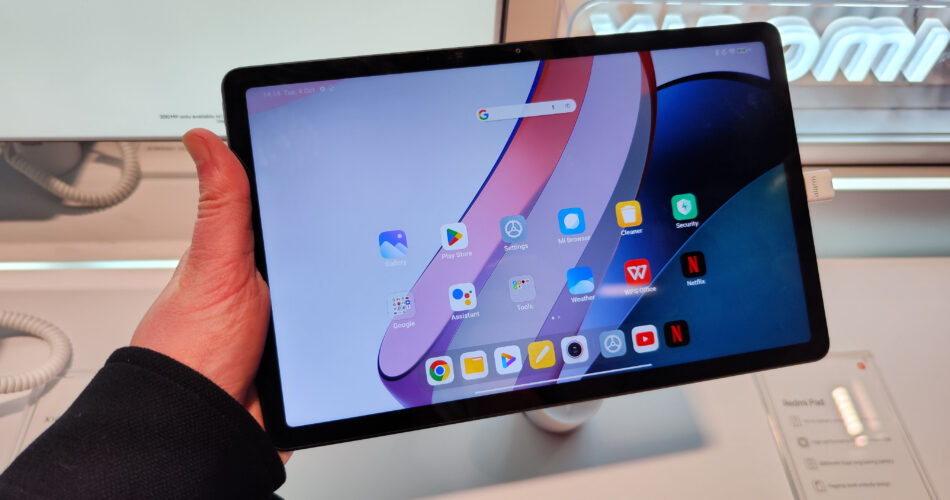
The Xiaomi Redmi Pad has quickly become the go‑to option for anyone seeking a capable Android tablet without breaking the bank. Featuring a crisp 10.1‑inch display, solid performance, and a battery that easily lasts a full day, it sits comfortably between entry‑level tablets and premium flagships. This article dives deep into its key specs, real‑world performance, and why it’s the best budget tablet for students, professionals, and casual gamers alike.
Design & Build Quality
- Slim profile: 6.9 mm thick, weighing just 460 g – truly lightweight and portable.
- Premium finish: Aluminum‑alloy frame with a matte back that resists fingerprints.
- Ports: USB‑C (PD 18 W fast charging), headphone jack, and micro‑SD slot for storage expansion.
Display – Crisp Visuals for Work & Play
| Feature | Detail |
|---|---|
| Size | 10.1 inches |
| Resolution | 2000 × 1200 px (WUXGA) |
| Panel Type | IPS LCD, 400 nits brightness |
| Refresh Rate | 60 Hz (smooth scrolling) |
| Aspect Ratio | 16:10 (ideal for multitasking) |
The Redmi Pad display delivers sharp text for reading and vibrant colors for streaming videos, making it a solid competitor against the Redmi Pad vs iPad and Redmi Pad vs Samsung Galaxy Tab comparisons.
Performance – Smooth Multitasking
- Processor: MediaTek Helio G99 octa‑core (2 × 2.2 GHz + 6 × 2.0 GHz)
- RAM: 4 GB or 6 GB LPDDR4X
- Storage: 64 GB / 128 GB UFS 2.2, expandable via micro‑SD up to 1 TB
Benchmarks show the Redmi Pad performance benchmarks sitting comfortably within the mid‑range tier, handling Android 13 with MIUI for Pad fluidly. Split‑screen and Redmi Pad multitasking are buttery smooth.
Battery Life & Charging
- Capacity: 8000 mAh
- Usage: Up to 10 hours of mixed usage (video streaming, web browsing, light gaming) – a solid Redmi Pad battery life claim.
- Charging: 18 W USB‑C fast charge (full in ~2.5 hours).
Camera & Audio
- Rear: 13 MP AI camera – decent for quick snapshots.
- Front: 8 MP selfie camera – suitable for video calls.
- Audio: Dual stereo speakers tuned by JBL, delivering clear dialogue and decent bass for movies and Redmi Pad gaming sessions.
Software – MIUI for Pad Experience
Running Android 13 topped with MIUI for Pad, the interface offers:
- Desktop‑like launcher with resizable widgets.
- Enhanced split‑screen for productivity.
- Redmi Pad stylus support (optional accessory) for note‑taking.
Connectivity
- Wi‑Fi 6, Bluetooth 5.2, GPS, and optional 5G model for on‑the‑go broadband.
- USB‑C for data, video out (via adapter), and charging.
Pricing & Availability
- 4 GB/64 GB: $219 (USD) – often found on Redmi Pad Amazon and Redmi Pad Best Buy with seasonal Redmi Pad discounts.
- 6 GB/128 GB: $269 – the sweet spot for power users.
Redmi Pad vs Competitors
| Category | Redmi Pad | iPad (9th Gen) | Samsung Galaxy Tab A8 |
|---|---|---|---|
| Price | 219–269 | $329 | $229 |
| Display | 10.1 in 2000×1200 | 10.2 in 2160×1620 | 10.5 in 1920×1200 |
| Processor | Helio G99 | A13 Bionic | Unisoc T618 |
| Battery | 8000 mAh (10 h) | 7620 mAh (10 h) | 7040 mAh (12 h) |
| OS | Android 13 / MIUI | iPadOS 16 | Android 12 |
The Redmi Pad offers the best value, especially for users hunting Redmi Pad deals and Redmi Pad warranty coverage.
Who Should Buy the Redmi Pad?
- Students: Affordable, light, and great for note‑taking with a stylus.
- Remote workers: Dual‑screen productivity, split‑screen apps, and good battery life.
- Casual gamers: Decent GPU, smooth display, and Redmi Pad gaming performance for titles like Asphalt 9 and PUBG Mobile Lite.
- Families: Parental controls via MIUI, sturdy build, and affordable accessories (case, screen protector).
Must‑Have Accessories
- Official Redmi Pad case – protects the slim frame.
- Tempered glass screen protector – guards against scratches.
- USB‑C hub – adds HDMI, Ethernet, and extra USB ports.
- Optional stylus – for drawing and precise input.
Conclusion
The Xiaomi Redmi Pad checks all the boxes for a modern tablet: vibrant display, respectable performance, long‑lasting battery, and a price that makes sense. Whether you’re comparing Redmi Pad vs iPad or hunting for the best budget tablet 2024, the Redmi Pad stands out as the most balanced and cost‑effective choice.