
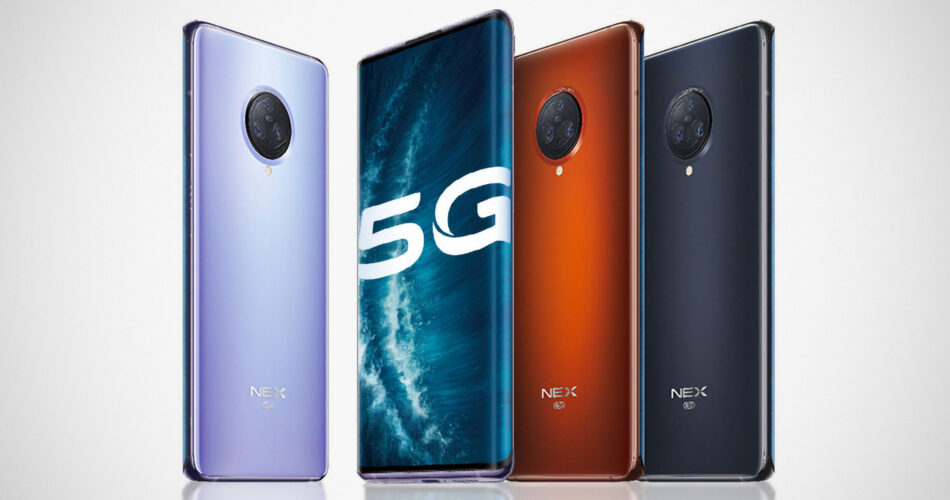
The Vivo Nex 3s 5G remains one of the most distinctive flagship smartphones released in recent years. Built around Qualcomm’s Snapdragon 865 chipset and featuring Vivo’s signature waterfall display, this device targets users who prioritize cutting-edge design, robust 5G connectivity, and high-end mobile photography. Whether you are researching legacy flagships, comparing mid-range alternatives, or evaluating secondhand market options, this comprehensive breakdown covers every technical and performance aspect of the Vivo Nex 3s 5G.
Key Specifications at a Glance
- Display: 6.89-inch E3 Super AMOLED, 1080 x 2256 resolution, curved waterfall edges, 60Hz refresh rate
- Processor: Qualcomm Snapdragon 865 (7nm+)
- GPU: Adreno 650
- Memory: 8GB or 12GB LPDDR5 RAM
- Storage: 128GB, 256GB, or 512GB UFS 3.1 (non-expandable)
- Rear Camera: 64MP main (f/1.8, OIS) + 13MP ultra-wide/macro (f/2.2) + 13MP telephoto (f/2.5, 2x optical zoom)
- Front Camera: 16MP pop-up motorized module (f/2.45)
- Battery: 4500mAh non-removable
- Charging: 44W FlashCharge wired
- Connectivity: 5G (SA/NSA), Wi-Fi 6, Bluetooth 5.1, NFC, GPS, USB Type-C
- Security: Side-mounted capacitive fingerprint sensor, face unlock
- Operating System: Android 10 with Funtouch OS 10 (upgradable to later versions depending on region)
- Dimensions: 167.4 x 76.1 x 9.4 mm, 217g
Display and Design Innovation
The defining feature of the Vivo Nex 3s 5G is its 6.89-inch E3 Super AMOLED panel that curves dramatically at the edges, creating a seamless waterfall effect that eliminates physical side buttons entirely. Volume and power controls are managed through pressure-sensitive touch zones and haptic feedback motors. The display delivers vivid colors, deep contrast, and HDR10+ support, making it suitable for media consumption and gaming. With a 99.6 percent screen-to-body ratio and no notch or punch-hole cutout, the uninterrupted viewing area remains highly competitive even years after launch.
Performance and 5G Connectivity
Powered by the Snapdragon 865 and Adreno 650 GPU, the Vivo Nex 3s 5G delivers flagship-tier performance across multitasking, app loading, and sustained gaming sessions. The inclusion of LPDDR5 RAM and UFS 3.1 storage ensures fast data transfer rates and reduced latency during heavy workloads. Vivo equipped the device with a multi-layer liquid cooling system and graphite thermal pads to maintain stable frame rates under extended stress.
The integrated Snapdragon X55 5G modem supports both sub-6GHz and mmWave bands in select markets, delivering download speeds that outpace legacy 4G LTE networks. Wi-Fi 6 and Bluetooth 5.1 further enhance wireless reliability, while NFC enables contactless payments and smart tag functionality.
Camera System Breakdown
The triple-camera array is anchored by a 64MP primary sensor with optical image stabilization, producing sharp daylight photos with accurate color reproduction. The 13MP ultra-wide lens doubles as a macro camera, offering versatility for landscape and close-up shots. The secondary 13MP telephoto module provides 2x optical zoom and supports hybrid zoom up to 20x with AI-assisted stabilization.
The 16MP pop-up front camera eliminates screen obstructions for a clean selfie experience. Low-light performance benefits from multi-frame noise reduction and Night mode processing. Video recording supports 4K at 60fps with electronic image stabilization, though optical stabilization is limited to the main rear sensor.
Battery Life and Charging Efficiency
The 4500mAh battery is tuned for a full day of moderate to heavy usage. Vivo’s 44W FlashCharge technology replenishes the battery from zero to approximately 70 percent in 30 minutes, with a full charge taking just under an hour. Adaptive charging algorithms optimize cell longevity by adjusting voltage and current based on temperature and usage patterns. While wireless charging is not supported, the wired fast charging solution remains highly practical for users on the go.
Software and Additional Features
Running Funtouch OS over Android, the Nex 3s 5G includes a suite of productivity and customization tools. Features include app cloning, split-screen multitasking, game mode optimization, and system-level ad blocking in select regions. The side-mounted fingerprint sensor provides quick and reliable authentication, while facial recognition utilizes the front camera for secure unlock. Audio output is tuned in partnership with JBL, delivering enhanced bass response and spatial sound processing through the bottom-firing speaker.
Pros and Cons
Pros
- Immersive 99.6 percent waterfall display with no screen cutouts
- Flagship Snapdragon 865 performance with advanced thermal management
- Versatile triple-camera setup with OIS on the main sensor
- 44W fast charging minimizes downtime
- Clean aesthetic with no physical side buttons
Cons
- 60Hz refresh rate lags behind modern 90Hz and 120Hz standards
- No wireless charging or expandable storage
- Waterfall edges can cause accidental touches and complicate screen protector installation
- Software update longevity varies by region and carrier
Conclusion
The Vivo Nex 3s 5G stands as a bold experiment in smartphone design and flagship engineering. Its waterfall display, pop-up camera, and Snapdragon 865 foundation deliver a premium experience that continues to hold value in secondary markets and for users who prioritize display immersion over high refresh rates. While newer devices offer faster screens and updated software cycles, the Nex 3s 5G remains a compelling option for photography enthusiasts, 5G adopters, and collectors of innovative mobile hardware.