
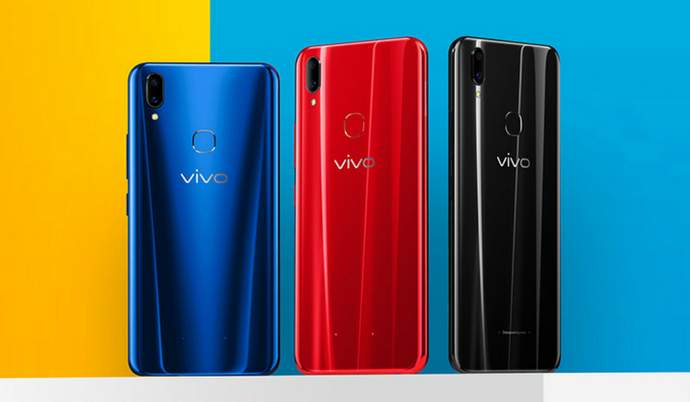
The Vivo Z1 made a strong impression in the budget smartphone segment upon its release in April 2018. Designed for users seeking a balanced mix of display quality, camera performance, and reliable battery life without premium pricing, the device quickly gained traction across emerging markets. In this comprehensive review, we break down the Vivo Z1 specifications, real-world performance, and whether it still holds practical value in today’s smartphone landscape.
Design and Display
The Vivo Z1 features a 6.26-inch IPS LCD display with an HD+ resolution of 720 x 1520 pixels and a modern 19:9 aspect ratio. The nearly bezel-less design was a standout at launch, offering an immersive viewing experience for streaming and everyday navigation. The phone measures 154.81 x 75.03 x 8.09 mm and weighs approximately 147 grams, making it lightweight and comfortable for extended use. A dedicated fingerprint scanner sits on the rear, while the top edge retains a 3.5mm headphone jack, a practical inclusion for audio enthusiasts.
Performance and Hardware
Under the hood, the Vivo Z1 runs on the Qualcomm Snapdragon 450 octa-core processor clocked at 1.8 GHz, paired with an Adreno 506 GPU. It ships with 4GB of RAM and 64GB of internal storage, expandable up to 256GB via a dedicated microSD card slot. While the chipset is not engineered for heavy multitasking or console-level gaming, it handles everyday tasks smoothly. Social media browsing, video playback, messaging, and light productivity applications run without noticeable lag. Thermal management is efficient, and the device maintains stable performance during standard daily usage.
Camera Capabilities Photography is handled by a dual rear camera setup featuring a 13-megapixel primary sensor with an f/2.2 aperture and a 2-megapixel depth sensor for portrait-style bokeh effects. The front-facing 8-megapixel camera includes AI beauty enhancements and a screen flash for improved low-light selfies. In daylight, the main camera captures vibrant colors, decent dynamic range, and acceptable detail retention. Low-light scenarios reveal typical budget-phone limitations, including increased noise and slower focus speeds, though software processing helps maintain shareable results. Video recording supports 1080p at 30fps, aligning with standard expectations for this segment.
Battery Life and Charging
The Vivo Z1 is powered by a 3,260 mAh non-removable battery that consistently delivers a full day of moderate usage. Thanks to the power-efficient Snapdragon 450 processor and Android optimization, users can expect 5 to 6 hours of active screen-on time. Charging is handled via a standard 5V/2A adapter, taking roughly two hours to reach 100 percent. While fast charging is not included, the battery’s reliability and endurance remain strong selling points for commuters and casual users.
Software and User Experience Out of the box, the Vivo Z1 shipped with Android 8.1 Oreo layered with Vivo’s Funtouch OS 4.0. The interface emphasizes simplicity and stability, offering useful features like split-screen multitasking, app cloning, game mode, and customizable navigation gestures. Security is managed through a responsive rear fingerprint scanner and facial recognition, both performing reliably in standard conditions. While the device is no longer eligible for major Android version updates, the existing software stack remains stable and optimized for core smartphone functionality.
Is the Vivo Z1 Worth Buying Today?
As a 2018 release, the Vivo Z1 is no longer a flagship contender, but it remains a practical option for budget-conscious buyers, students, or users needing a dependable secondary device. Its strengths include a lightweight chassis, consistent battery endurance, and an intuitive software experience. Prospective buyers should manage expectations regarding high-performance gaming, advanced low-light photography, and long-term software support. In the current market, it serves best as an affordable entry-level phone or a reliable backup for calls, messaging, and light media consumption.
Conclusion
The Vivo Z1 demonstrated that budget smartphones could deliver thoughtful engineering and consistent daily performance without inflating costs. While newer models have surpassed it in processing power, camera versatility, and update longevity, the Z1 remains a solid example of Vivo’s early focus on accessible mobile technology. For users prioritizing straightforward functionality, durable battery life, and essential smartphone features, the Vivo Z1 continues to hold relevance as a practical and cost-effective choice.