
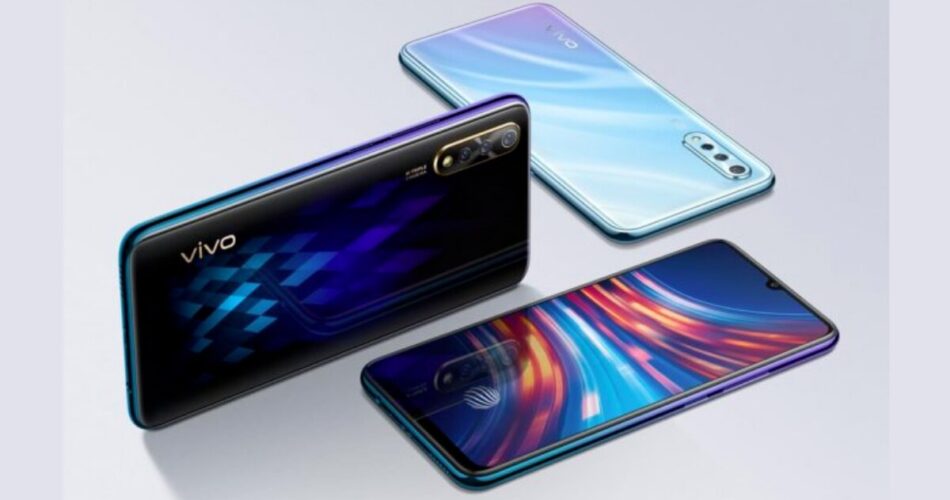
The Vivo V17 Neo launched as a strategic mid-range smartphone, blending a Super AMOLED display, a versatile 48-megapixel camera system, and extended battery life. While the mobile landscape has shifted dramatically since its 2019 debut, the device continues to attract attention in 2026 from refurbished buyers, secondary device users, and budget-conscious consumers. This guide delivers a thorough breakdown of its hardware, real-world performance, and current market relevance.
Key Specifications at a Glance
- Display: 6.38-inch Super AMOLED, 1080 x 2340 pixels
- Processor: Qualcomm Snapdragon 675 (11nm)
- RAM: 8GB LPDDR4X
- Storage: 128GB UFS 2.1 (expandable up to 256GB via microSD)
- Rear Camera: 48MP primary + 8MP ultrawide + 2MP macro + 2MP depth
- Front Camera: 32MP
- Battery: 4500 mAh with 18W fast charging
- Operating System: Android 9.0 Pie with Funtouch OS 9
- Security: In-display optical fingerprint sensor, face unlock
- Ports & Connectivity: Micro-USB, 3.5mm headphone jack, Wi-Fi 5, Bluetooth 5.0, dual 4G LTE
Design and Display Quality
The Vivo V17 Neo features a gradient glass-like back panel that delivers a premium aesthetic. The 6.38-inch Super AMOLED screen remains one of its strongest assets, offering rich color saturation, true blacks, and reliable outdoor visibility. The waterdrop notch and slim side bezels provide an immersive viewing ratio. While modern devices now standardize 90Hz or 120Hz refresh rates, the 60Hz panel on this model remains perfectly adequate for video streaming, social media browsing, and everyday navigation.
Performance and Software Experience
The Snapdragon 675 chipset delivers stable performance for multitasking, light gaming, and media consumption. Paired with 8GB of RAM, app switching remains responsive, and background processes are managed efficiently. The 128GB internal storage provides ample room for media files, while the dedicated microSD slot allows further expansion without sacrificing dual SIM functionality. Funtouch OS offers a feature-rich interface with game optimization tools, split-screen multitasking, and system cleanup utilities. Buyers should note that official Android OS upgrades are discontinued, though the software remains stable for standard daily use.
Camera System: 48MP Quad Setup
Photography is the centerpiece of the Vivo V17 Neo. The 48-megapixel primary sensor utilizes pixel binning to produce bright, detailed daylight images with accurate color grading. The 8MP ultrawide lens captures broader landscapes and group shots, while the 2MP macro and depth sensors enhance close-up photography and portrait bokeh effects. The 32MP front camera delivers sharp selfies, supported by AI enhancement and low-light optimization. While 2026 smartphone cameras leverage advanced computational photography and larger sensors, the V17 Neo still produces reliable results for social media, documentation, and casual photography.
Battery Life and Charging
The 4500 mAh battery stands out for its endurance. Combined with the power-efficient chipset and AMOLED power management, users routinely achieve full-day usage with moderate screen-on time. The bundled 18W fast charger replenishes the battery to approximately fifty percent in under an hour. While newer phones feature significantly faster charging protocols, the Vivo V17 Neo prioritizes longevity and consistent power delivery over speed.
Pros and Cons
Pros:
- Vibrant Super AMOLED display with excellent contrast
- Reliable all-day battery performance
- Versatile 48MP quad camera system
- 8GB RAM ensures smooth multitasking
- Highly affordable in refurbished and secondary markets
Cons:
- Limited to Android 9.0 with no major OS upgrades
- Micro-USB port instead of modern USB Type-C
- 60Hz refresh rate feels dated in 2026
- Occasional software bloat and UI animation lag over time
Is the Vivo V17 Neo Worth Buying in 2026?
The Vivo V17 Neo is no longer a cutting-edge device, but it remains a practical purchase for specific user profiles. Students, senior citizens, and light smartphone users will find its performance more than sufficient for calls, messaging, video streaming, and casual photography. If purchasing a used or refurbished unit, verify battery health percentage, screen condition, and charger authenticity. For users requiring 5G connectivity, current Android versions, or high refresh rate displays, exploring newer mid-range alternatives is advisable.
Final Verdict
The Vivo V17 Neo successfully balanced display quality, camera versatility, and battery endurance during its launch cycle. Its legacy persists in 2026 as a dependable, cost-effective option for everyday tasks and secondary device needs. While it lacks modern software support and faster charging standards, its core hardware remains functional and reliable. Evaluate your daily usage requirements, compare current market pricing, and consider the Vivo V17 Neo if value and proven stability are your primary priorities.