
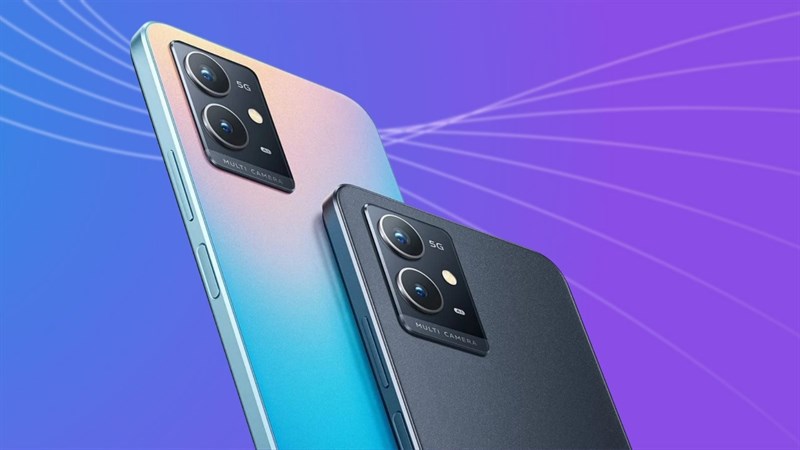
The Vivo Y33e remains a practical choice for users seeking a reliable, budget-friendly smartphone. Designed with everyday usability in mind, this device balances essential features with an affordable price point. Whether you are upgrading from an older handset or purchasing your first smartphone, understanding the Vivo Y33e specifications, performance capabilities, and real-world usability will help you make an informed decision.
Design and Build Quality
The Vivo Y33e features a sleek, minimalist design with a flat frame and glossy back panel. Weighing approximately 182 grams and measuring just 8.28mm in thickness, it offers a comfortable grip for extended use. The side-mounted fingerprint sensor is integrated into the power button, providing quick and accurate authentication. The device is available in Starlight Black and Glacier Blue color options, both featuring a subtle gradient finish that resists minor fingerprints.
Display and Multimedia
The smartphone is equipped with a 6.51-inch HD+ IPS LCD panel delivering a 1600×720 resolution. With a 90Hz refresh rate, scrolling through apps, browsing websites, and navigating the interface feels noticeably smoother compared to standard 60Hz displays. The display maintains decent color accuracy and outdoor visibility, making it suitable for media consumption and casual reading. A 3.5mm headphone jack and a bottom-firing loudspeaker provide basic audio support for calls and multimedia playback.
Performance and Software
Under the hood, the Vivo Y33e is powered by the MediaTek Helio G80 octa-core processor, paired with either 4GB or 8GB of RAM depending on the variant. Storage options include 128GB of internal memory, expandable via a dedicated microSD card slot. The Helio G80 handles everyday tasks such as messaging, social media, video streaming, and light multitasking without significant lag. Gaming performance is adequate for casual titles, though heavy 3D games may require lowered graphics settings for stable frame rates.
The device launched with Funtouch OS 12 based on Android 12, offering a clean interface, customizable themes, and built-in optimization tools. As of 2026, Vivo has maintained stable security patches for the Y33e, though major OS upgrades may have concluded. The software experience remains smooth, with features like game mode, battery saver, and app cloning included out of the box.
Camera System
The rear camera setup features a 50MP primary sensor with an f/1.8 aperture, supported by a 2MP depth sensor for portrait effects. In daylight, the main camera captures detailed images with accurate colors and satisfactory dynamic range. Low-light performance relies on Night Mode, which brightens scenes while managing noise reasonably well for its price segment. The front-facing 16MP camera delivers sharp selfies and supports AI beauty enhancements, portrait lighting, and 1080p video recording.
Battery Life and Charging
One of the strongest aspects of the Vivo Y33e is its 5000mAh battery. With efficient power management from the Helio G80 chipset and HD+ display, the device easily delivers one and a half to two days of moderate usage. Heavy users can expect a full day of screen-on time with mixed workloads. The phone supports 18W wired fast charging via a USB Type-C port, reaching approximately 50 percent in under an hour. While not the fastest charging standard available, it remains practical for daily top-ups.
Pros and Cons
Pros:
- Long-lasting 5000mAh battery
- Smooth 90Hz display for budget segment
- Reliable 50MP main camera in daylight
- Expandable storage with dedicated microSD slot
- Side-mounted fingerprint sensor for quick access
Cons:
- HD+ resolution limits sharpness for media viewing
- 18W charging is slower than competitors
- Helio G80 struggles with intensive gaming
- Software updates may be limited in 2026
Is the Vivo Y33e Worth Buying in 2026?
The Vivo Y33e continues to serve as a dependable entry-level smartphone for students, first-time buyers, and users who prioritize battery life and basic functionality over cutting-edge performance. While newer mid-range devices offer faster processors and higher resolution screens, the Y33e maintains relevance due to its affordability, consistent software experience, and durable hardware. If your usage revolves around communication, social media, light photography, and streaming, this device remains a sensible purchase. For users requiring heavy multitasking, advanced gaming, or flagship-level cameras, exploring newer alternatives is advisable.
Frequently Asked Questions
What processor does the Vivo Y33e use? The device is powered by the MediaTek Helio G80 chipset, optimized for efficient daily performance and light gaming.
Does the Vivo Y33e support 5G? No, the Vivo Y33e is a 4G LTE smartphone with dual SIM support and VoLTE connectivity.
Can I expand the storage on the Vivo Y33e? Yes, it includes a dedicated microSD card slot supporting up to 1TB of additional storage.
What operating system runs on the Vivo Y33e? The phone ships with Funtouch OS 12 based on Android 12, featuring Vivo’s optimization tools and customization options.
How long does the battery last on the Vivo Y33e? With a 5000mAh cell and efficient power management, most users achieve 1.5 to 2 days of moderate usage on a single charge.
Final Thoughts
The Vivo Y33e proves that budget smartphones can deliver reliable performance without compromising essential features. Its combination of a large battery, smooth 90Hz display, capable 50MP camera, and user-friendly software makes it a solid choice for everyday use. While the market has evolved significantly by 2026, the Y33e retains its value as an affordable, low-maintenance device for users who prioritize practicality over premium specifications.