
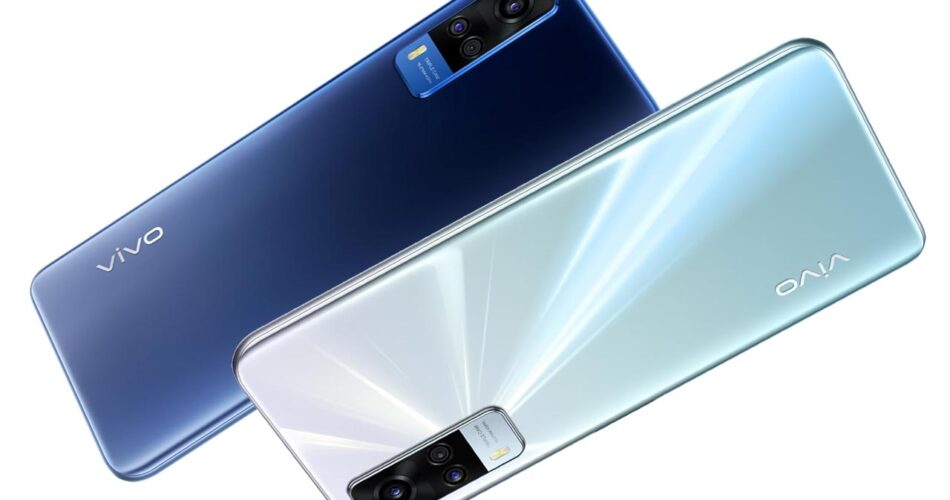
The Vivo Y51a continues to attract budget-conscious buyers looking for reliable everyday performance. Launched as part of Vivo’s widely recognized Y series, this smartphone balances essential features with a large battery and a smooth display. In this comprehensive guide, we break down the Vivo Y51a specs, camera quality, software experience, and long-term value to help you decide if it fits your needs in 2026.
Design and Display
The Vivo Y51a features a 6.58-inch FHD+ IPS LCD panel with a 90Hz refresh rate. This higher refresh rate delivers noticeably smoother scrolling and navigation compared to standard 60Hz screens in the same price bracket. The display offers decent color reproduction and sufficient brightness for indoor use, though direct sunlight readability may require manual adjustment. The device sports a modern gradient back panel with a side-mounted fingerprint sensor for quick and reliable unlocks. Build quality remains solid for a budget smartphone, with a plastic chassis that keeps weight manageable and improves drop resistance.
Performance and Software
Under the hood, the Vivo Y51a runs on the MediaTek Helio P65 chipset, paired with 6GB or 8GB of RAM and 128GB of internal storage. While not designed for heavy gaming, the Helio P65 handles daily tasks like social media, streaming, video calls, and light multitasking without major slowdowns. The device ships with Funtouch OS based on Android and has received software optimizations that improve app launch times and background management. Users can expect stable Android 12 or 13 depending on regional update cycles. Storage expansion is supported via a dedicated microSD slot, making it practical for media-heavy users who need extra space for photos and videos.
Camera System
The Vivo Y51a camera setup includes a 48MP primary sensor, a 2MP macro lens, and a 2MP depth sensor. In daylight, the main camera captures detailed shots with accurate colors and reliable dynamic range. Low-light performance benefits from Vivo’s night mode algorithm, though results show some noise in extremely dark environments. The 2MP macro lens works best in well-lit conditions and is suitable for close-up photography. The 16MP front camera delivers clear selfies with adequate skin tone processing and background blur for video calls. Video recording tops out at 1080p at 30fps, which aligns with standard expectations for this segment.
Battery Life and Charging
One of the strongest points of the Vivo Y51a is its 5000mAh battery. Combined with the power-efficient Helio P65 and a 90Hz display that scales dynamically, the device easily lasts a full day of moderate to heavy use. Light users can stretch battery life to nearly two days. Charging is handled by an 18W fast charger included in the box, which refills the battery from zero to fifty percent in approximately one hour. While not the fastest charging speed available today, it remains practical for overnight top-ups and weekend travel.
Pros and Cons
Pros:
- Large 5000mAh battery with reliable all-day endurance
- Smooth 90Hz FHD+ display for comfortable scrolling
- Expandable storage with dedicated microSD slot
- Responsive side-mounted fingerprint sensor
- Competitive pricing in the budget smartphone segment
Cons:
- Helio P65 limits high-end gaming and intensive app performance
- 18W charging is slower than modern mid-range standards
- Low-light camera performance shows visible noise
- No 5G connectivity, limited to 4G LTE networks
Is the Vivo Y51a Worth Buying in 2026?
The Vivo Y51a remains a sensible choice for users who prioritize battery life, a smooth display, and dependable daily performance over cutting-edge specifications. It excels as a secondary phone, student device, or entry-level smartphone for casual users who primarily browse, stream, and communicate. While newer models offer 5G and faster charging, the Vivo Y51a delivers consistent reliability at a lower price point. If your budget is tight and you value screen quality and battery endurance, this device still holds its ground in the budget smartphone market.